ATTRACTIONS
Tourist Attractions
A tourist attraction is a place of interest where tourists visit, typically for its inherent or an exhibited natural or cultural value, historical significance, natural or built beauty, offering leisure and amusement. Though, while the purpose is largely entertainment during leisure time, some attractions’ purpose is to educate and to conserve and preserve one's natural, built, intangible and cultural heritage. Attractions can be large or small and can attract the resident as well as tourist population.
Categories of Attractions
Types of Attractions
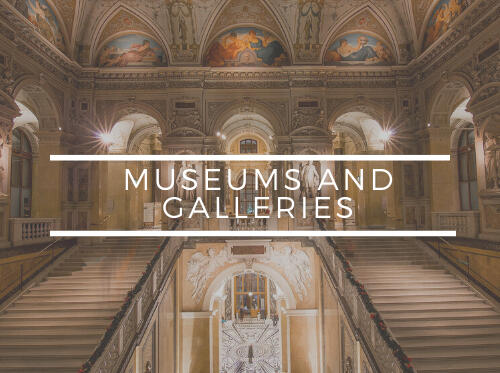
These types of attractions fall under the category of purpose built attractions. Museums and art galleries are built all around the world. Museums and art galleries vary considerably in size. They can also have different intentions, some are based on history, or science, or culture amongst a wide variety of other subject matter.
Example: T&T National Museum and Art Gallery

National parks are a natural attraction.
A national park is an area that is protected due to its cultural heritage, varied wildlife and/or beautiful countryside. Laws also exist to protect the nature and wildlife so that it can all be enjoyed by current and future generations.
Example: Yellowstone National Park
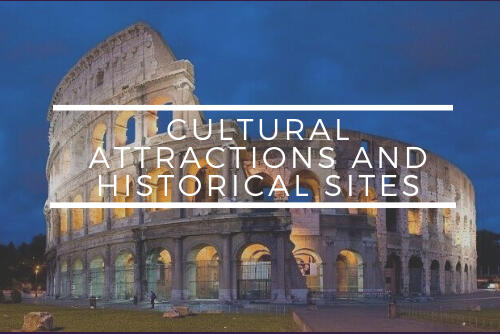
A historical site is an official location where pieces of political, military, cultural, or social history have been preserved due to their cultural heritage value. These types of tourist attractions are often beneficial because they help to preserve cultural and heritage, which is a positive impact of cultural tourism.
Example: The Colosseum, also known as the Flavian Amphitheatre, in the centre of the city of Rome, Italy.

Sporting attractions are events that involves persons traveling away from their home/country to either participate in the sport, spectate the sport or take stadium tours where major events happened.
Examples: FIFA World Cup, Olympics
Importance of Attractions as Pull Factors
One of the main pull factors that draw tourists to a destination is the nature of attractions. Pull factors of an attraction are motivators for trips to a particular destination and some of the factors are the natural environment and unique landscapes, entertainment, different cultural activities, sightseeing, the local cuisine and the safeness of the attraction itself.
Attractions as pull factors are important as it allows growth in the tourism industry. It also diversifies a country’s tourism offering, attracting many visitors and increasing earning potential. The visitor attractions encourage regular and repeated visits as it is more cost effective than getting new visitors.
Visitor Management Strategies
Due to the negative impacts resulting from unrestrained visitor activity, management put measures in place to reduce the negative impact done onto the environment and visitors’ experiences by evening out the distribution of visits at attractions and seeking to change visitors’ attitude and behaviour. Some strategic measures are:
1.Carrying Capacity- the maximum number of people visiting an attraction at the same time without harming the environment and affecting the other visitors’ experiences.
2.Code of Conduct- Is a set of guidelines created by attractions facilities to keep visitors’ behaviours at acceptable levels, minimize negative impacts and provide positive experiences for everyone.
Trends & Issues
Virtual Reality
Augmented Reality
Gamification
Seasonality
Environmental Impacts
Increasing Competition
-https://blooloop.com/features/9-trends-to-watch-in-the-visitor-attractions-industry/
-http://stravelandtourism.weebly.com/visitor-attractions.html#:~:text=There%20are%204%20different%20types,from%20all%20over%20the%20world.
-https://tourismteacher.com/types-of-tourist-attractions/#15-purpose-built-or-man-made-tourist-attractions
-https://www.slideshare.net/JodyTitus?utmcampaign=profiletracking&utmmedium=sssite&utm_source=ssslideview
-Contemporary Caribbean Tourism: Concepts and Cases- Sherma Roberts, Mechelle Best, Acolla Cameron